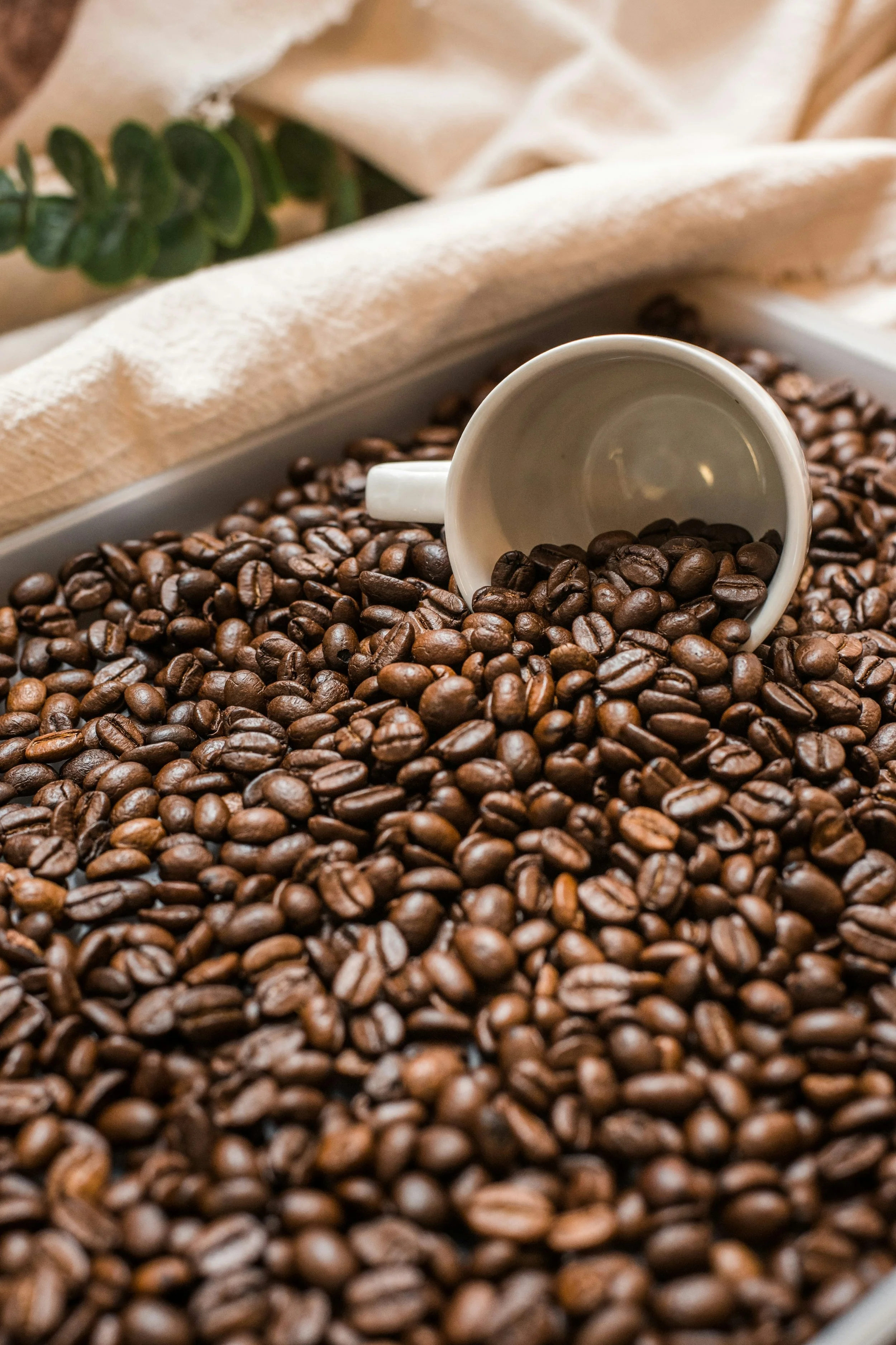
Ethopian Yirgacheffe
Discovering Ethiopian Yirgacheffe: A Complete Specialist Guide
Few single-origin coffees leave as lasting an impression as a natural processed Ethiopian Yirgacheffe. Renowned across the specialty coffee community for its vibrant, fruit-forward complexity and luxurious sweetness, this region produces sun-dried beans that consistently set the global benchmark for excellence. Whether you are taking your first steps into single-origin coffees or looking to refine your home extraction techniques, understanding natural Yirgacheffe is essential to appreciating high-grade specialty coffee.
TASTING NOTES
A vibrant, sun-dried profile bursting with intense notes of wild blueberry, ripe strawberry, and sweet tropical jam, balanced by a velvety, syrupy body and a delicate floral aroma.
What Sets Natural Yirgacheffe Apart?
Nestled within the high-altitude highlands of Southern Ethiopia, the Yirgacheffe micro-region sits between 1,500 and 2,200 meters above sea level. This unique geographical positioning provides cooler atmospheric temperatures, forcing coffee cherries to mature slowly. The extended ripening cycle enables the fruit to develop complex natural sugars and crisp organic acids.
When harvested at peak ripeness, the whole cherries are laid out on raised drying beds under the sun. Allowing the bean to dry inside the intact fruit enables it to absorb rich natural sugars and deep fruit flavors from the surrounding pulp, resulting in a naturally sweet, intensely aromatic cup.
The Origin Story and Local Traditions
Coffee is indigenous to Ethiopia, where wild heirloom varieties have flourished for centuries. In local culture, coffee production is far more than an export commodity—it forms the cornerstone of daily hospitality, community gathering, and social life.
From Forest Gardens to Micro-Lots
Rather than industrial plantations, the vast majority of Yirgacheffe coffee originates from smallholder "coffee gardens." Local farming families cultivate small parcels of land, growing indigenous heirloom trees alongside companion shade crops like fruit and spices. This natural polyculture maintains rich, living soil without requiring intensive chemical inputs, yielding beans with unmatched genetic diversity and complex inherent flavor.
Direct Ethical Sourcing
Historically, regional beans were aggregated through central commodity markets, obscuring the exact farm origin. Today, direct trade models allow us to source directly from specific washing stations and farm cooperatives.
Direct sourcing guarantees two key outcomes:
Full Traceability: Coffee lovers know precisely which station, altitude, and producer group crafted their lot.
Fairer Value: Premium prices flow straight back to smallholder producers, funding local infrastructure, agricultural investment, and sustainable farming practices.
How to Brew Natural Yirgacheffe at Home
Because natural processed beans feature rich sugars and delicate aromatics, careful extraction is key to unlocking their full potential without introducing bitterness.
1. French Press (Best for Highlighting Body & Sweetness)
Grind: Coarse (breadcrumb texture)
Ratio: 30g coffee to 500g filtered water (94°C)
Method: Fill press pot, steep for 4 minutes, skim remaining surface crust, and press filter down slowly. Serve immediately.
Result: Draws out deep berry sweetness, heavy fruit jam notes, and a rich, velvety mouthfeel.
2. AeroPress (Best for Balanced Fruit & Clarity)
Grind: Fine-medium
Ratio: 17g coffee to 200g water (88–90°C)
Method: Combine coffee and water, stir gently, and let steep for 90 seconds. Press smoothly over 30 seconds into a server.
Result: Accentuates bright strawberry and tropical notes while building a smooth, structured cup.
3. V60 Pour-Over (Best for Aromatic Clarity)
Grind: Medium-coarse (slightly coarser than washed coffees to account for soluble sugars)
Ratio: 15g coffee to 250g filtered water (92–94°C)
Method: Saturate grounds with 50g of water for a 45-second bloom to release trapped gases. Pour remaining water in gentle concentric spirals, targeting a total brew time of 2.5 to 3 minutes.
Result: Highlights delicate floral aromas alongside crisp berry acidity with a clean finish.
Frequently Asked Questions
How should I store whole bean Yirgacheffe?
Store your beans in a cool, dark place inside an airtight container featuring a one-way degassing valve. Avoid keeping coffee in the refrigerator or freezer, as moisture condensation quickly degrades delicate aromatics and alters bean structure.
What foods pair well with this profile?
Pair the sweet, berry-driven notes of natural Yirgacheffe with fruit tarts, almond croissants, dark chocolate, or fresh berry pastries. The natural fruitiness also cuts beautifully through rich breakfast items like Greek yogurt and granola.
Does Yirgacheffe contain more caffeine than other beans?
No. Yirgacheffe consists entirely of Arabica varieties, which naturally contain roughly half the caffeine content of Robusta beans. Caffeine strengt